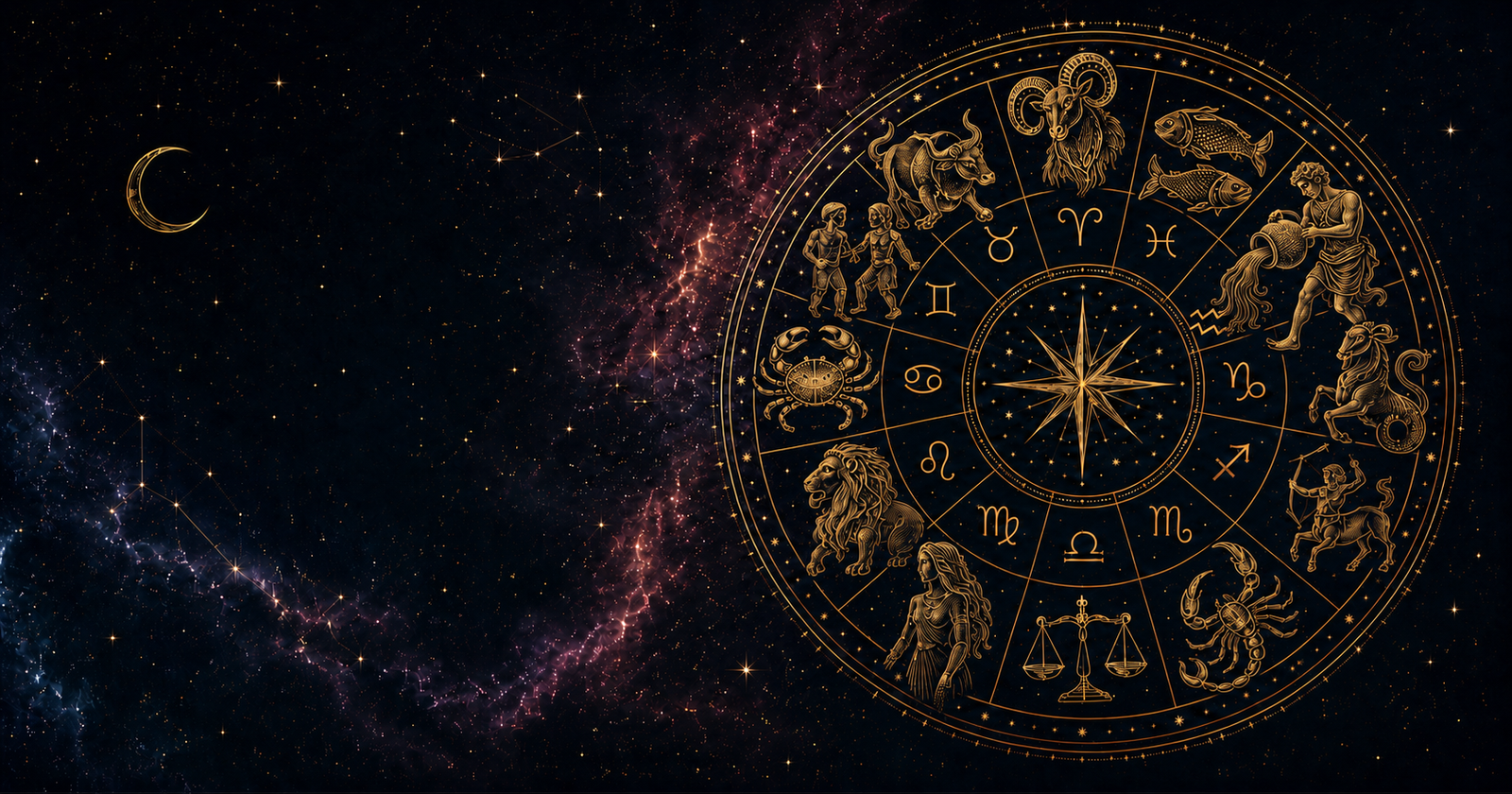
What is astrology, really? What comes to mind when you hear the word? Daily horoscopes? Zodiac signs? Someone saying, “I’m such a Leo.” For many people, that’s where astrology begins and ends. It’s often dismissed as entertainment, superstition, or a collection of vague personality descriptions that could apply to almost anyone. But that’s not what astrology really is. At its core, astrology is a symbolic language. For thousands of years, people have used it as a tool for understanding themselves, recognizing patterns, and making sense of the human experience. It isn’t about placing people into boxes or predicting every event that will happen in your life. It’s about understanding the unique combination of energies you were born with and learning how those energies may influence the way you think, feel, communicate, build relationships, approach challenges, and grow throughout your life. Astrology isn’t about fate.It’s about awareness. What Astrology Actually Reveals The better you understand yourself, the easier it becomes to recognize the unconscious patterns you’ve been living, understand why they exist, and decide whether they’re still leading you in the direction you want to go. That, in my opinion, is where astrology becomes truly valuable. Not because it tells you who you are. But because it helps you understand yourself more deeply. And understanding yourself comes before improving yourself. So… What exactly is astrology? Astrology is the study of the relationship between the movements of the celestial bodies and life here on Earth. Notice the word relationship. Astrology doesn’t claim that the planets cause things to happen to us in the same way gravity causes an apple to fall from a tree. Instead, it suggests that the positions of the Sun, Moon, and planets at the moment we’re born reflect the natural energies and themes we’ll experience throughout our lives. A helpful way to think about it is a clock. When a clock shows 7:00 in the morning, the clock didn’t make the sun rise. It simply reflects what’s happening at that moment in time. Astrology works in much the same way. Your birth chart isn’t believed to create your personality. Instead, it’s a symbolic snapshot of the sky that reflects the qualities, strengths, challenges, motivations, and potentials present at the moment you entered the world. This idea is rooted in one of the oldest Hermetic principles: “As above, so below.” In other words, the patterns we observe in the heavens mirror the patterns we experience here on Earth. One of astrology’s oldest sayings expresses this idea beautifully: “The stars incline, they do not compel.” This means the planets may describe influences, tendencies, opportunities, and challenges, but they don’t force you to make any particular decision. Think of it like a weather forecast. If tomorrow’s forecast predicts rain, you’re not forced to get wet. You can grab an umbrella. You can stay inside. Or you can decide to dance in the rain. The forecast describes the conditions. What you choose to do with those conditions is entirely up to you. Your birth chart works the same way. It doesn’t remove your free will. It doesn’t dictate your future. Instead, it gives you insight into the energies you’re working with so you can make more conscious choices. Rather than asking astrology, “What’s going to happen to me?” a more useful question is, “What does my birth chart reveal about the strengths, challenges, and potential I was born with?” That question shifts astrology from fortune telling to self-understanding. And that shift changes everything. Astrology Offers A Few Powerful Gifts. CLARITY Recognize patterns you may not have noticed before. Understanding these patterns empowers you to respond with greater intention. COMPASSION It encourages self reflection rather than self- judgment. Instead of asking “What’s wrong with me?” you begin asking “What experiences shaped this part of me?” CONFIDENCE It helps you recognize your strengths, talents, and natural abilities. When you understand your unique gifts, you stop comparing yourself to everyone else. GROWTH It reminds you that growth is a lifelong process. Every challenge becomes an opportunity to learn, evolve, and express the healthiest version of yourself. Why Do People Study Astrology? People have studied astrology for thousands of years because it offers a unique way of looking at human nature. It encourages us to ask questions we may never have thought to ask ourselves. Why do I naturally approach life the way I do? Why do I respond emotionally the way I do? Why do certain things come easily while others feel like an uphill battle? Why do I keep repeating the same kinds of experiences? Why do I feel deeply fulfilled by some pursuits but completely drained by others? Astrology doesn’t replace psychology. It doesn’t replace science. It doesn’t replace personal responsibility. Instead, it offers another perspective, one that helps us recognize patterns, understand ourselves more clearly, and make more intentional choices. Whether you view astrology as a spiritual practice, a symbolic language, a psychological framework, or simply an interesting tool for self-reflection, its greatest value isn’t in predicting your future. It’s in helping you better understand yourself in the present. Because when you understand yourself, you’re better equipped to shape the future you want to create. What Is a Birth Chart? Understanding what astrology is begins with understanding the birth chart. At the heart of astrology is something called a birth chart, also known as a natal chart. Your birth chart is a snapshot of the sky at the exact moment you were born, viewed from the place where you were born. Your birth chart isn’t a description of your personality. It’s a map back to the person you were before life you to become someone else. Imagine someone took a photograph of the heavens the moment you took your first breath. That image would show where the Sun, Moon, and planets were positioned in relation to the Earth at that exact moment. Astrologers use that celestial snapshot to create your birth chart. Because the planets are constantly moving, no two moments